
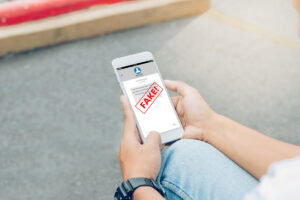
 Wrong number text scams.
This scam begins innocently, often with a simple greeting like, “Hello!” or “Is this Jane?” No matter how you respond, the scammer will engage with you. Over time, they gain your trust and may pose as a successful investor, offering investment opportunities or requesting money and personal information.
These fraudsters rely heavily on manipulation and emotional tactics to exploit your friendliness or develop a romantic relationship with you, but ultimately, they’re after your money and personal information.
What To Do About It
- Don’t respond to unknown numbers
- Never click on links or share personal information
- Be suspicious about requests for money
- Report scams at ReportFraud.ftc.gov
Good Advice For Every Situation
Did you know that you can copy suspicious messages and forward them to 7726 (SPAM)? Sending examples helps your wireless provider spot and block similar messages in the future.
You can also:
- Verify the source using a known method
-
Avoid clicking on links in texts
-
Avoid scanning QR codes presented in public places
-
Never share sensitive personal information
- Block the number
- Delete the message
- Report scams at ReportFraud.ftc.gov
For more information on our fraud monitoring, detection, and protection services, visit our Fraud Monitoring & Protection page or learn more at: How to Recognize and Report Spam Text Messages
Reference:
DAD, T. K. (Acting, Nguyen, S. T., Division of Consumer Response and Operations Staff, & Fletcher, E. (2025, May 22). Top text scams of 2024. Federal Trade Commission. https://www.ftc.gov/news-events/data-visualizations/data-spotlight/2025/04/top-text-scams-2024